
Beyond the Lecture Hall: What I Found at the Heart of Global Migration
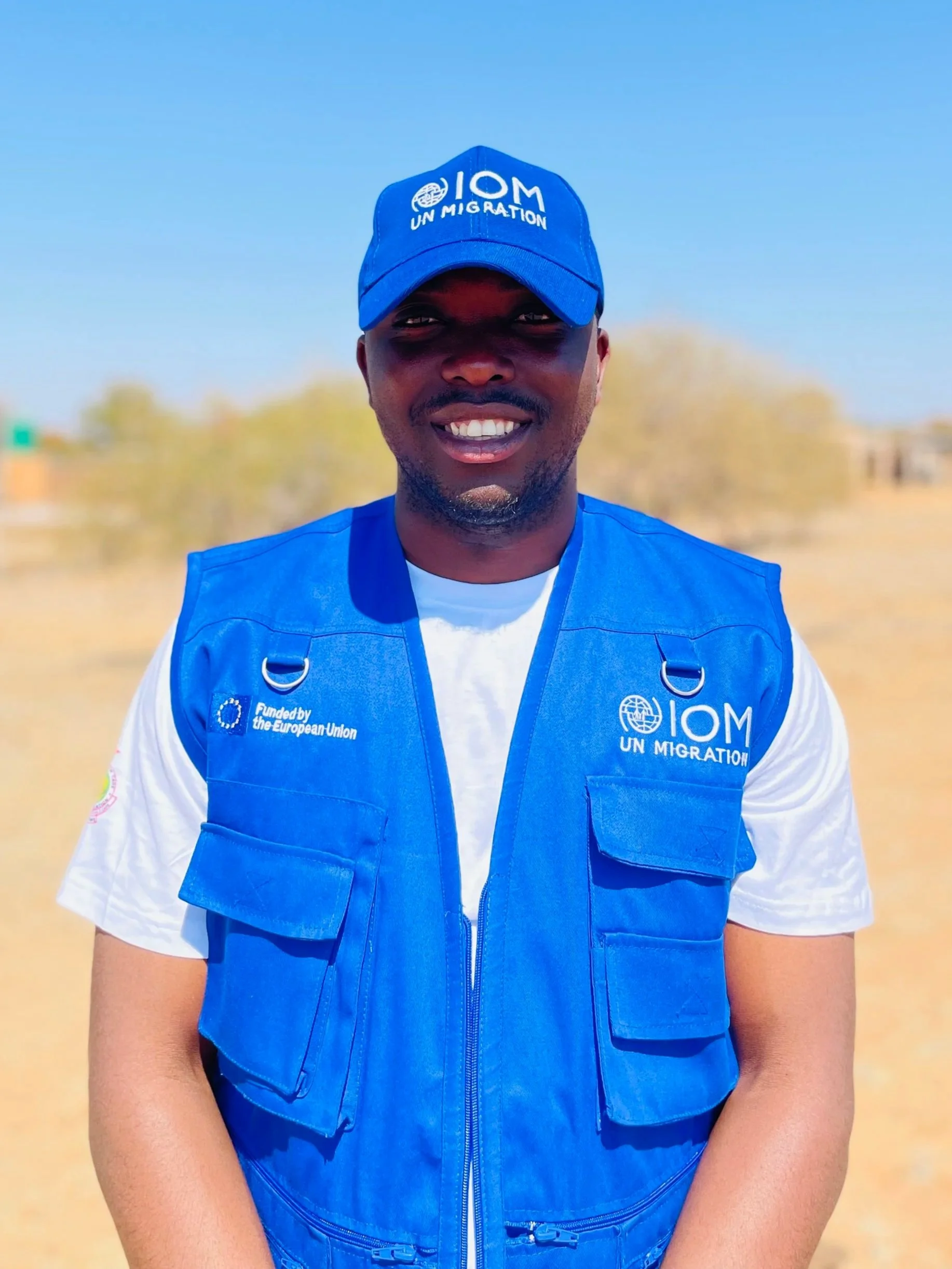
Ashinaga supporters are enabling talented Scholars to gain practical experience with leading organisations across Africa. Liberty, an Ashinaga Graduate from Zimbabwe studied Politics and, International Relations at the University of York, recently completed an internship with the International Organization for Migration (IOM), strengthening his ambition to develop evidence-based policies that create greater opportunities for young people in Zimbabwe.
What does it really mean to work in migration policy?
For our recent Ashinaga Graduate, Liberty, stepping into the International Organization for Migration (IOM) Zimbabwe meant moving beyond academic knowledge into complex policy landscapes, multi-unit coordination, and outputs with genuine programmatic weight.
Beyond the Lecture Hall: What I Found at the Heart of Global Migration
By Liberty, Ashinaga UK Graduate
Walking into the International Organization for Migration (IOM) Zimbabwe for the first time, I quickly understood that the work ahead would demand more than academic knowledge. I was stepping into a world of complex policy landscapes, multi-unit coordination, and outputs that carried genuine programmatic weight. There was no room for theory without practice. Every piece of research I contributed, including a deep dive into remittances, had to be precise, purposeful, and grounded in evidence. Every concept note I helped develop challenged me to think creatively about how IOM's priorities could align with the interests of emerging donors. This was not an academic exercise. It was the real deal- a particular kind of education that no lecture hall can provide.
One of the most significant tasks I undertook was contributing to the creation of a catalogue of policies and frameworks on return and reintegration, alongside research identifying countries with best practices in this area. The catalogue helped strengthen the policy framework guiding reintegration programming, laying the foundation for something even larger: a return and reintegration strategy focused on incorporating migrants into Zimbabwe's social protection system. That strategy is still in motion, and knowing that my hands played some part in building its foundations is a feeling I will carry for a long time.
What surprised me most was how much the experience revealed about the nature of leadership itself. I had always understood leadership in terms of vision, but the internship taught me that leadership in international relations is equally about diplomacy, clear communication, and the quiet art of relationship management. Working alongside IOM's partners, I learned to listen as much as I spoke, and to appreciate how carefully tended partnerships link organisations across borders and make cooperation possible. I also learned to see the bigger picture- to understand how different individual interventions fit together to advance migration governance goals.
Perhaps the most lasting lesson was this: good leadership is evidence-based. Working on data-driven reporting and policy catalogues reshaped how I approach decisions. I came away with a deeper commitment to grounding choices in research and facts rather than assumptions, quality rather than quantity. It is a seemingly simple insight, but its implications run wide and deep, especially for anyone who aspires, as I do, to work in policy spaces where the stakes for real communities are high.
And those stakes are never far from my mind. When I look homeward to Zimbabwe, I see young people brimming with potential but hemmed in by gaps in policy implementation and limited access to skills development. Youth unemployment is not an abstract statistic to me; it is a lived reality I have witnessed. My internship sharpened something in me - a sense of direction, of purpose. I want to use what I have learned to contribute to designing policies and initiatives that create inclusive, youth-friendly employment opportunities. I want to help build governance structures that treat young people not merely as beneficiaries of development, but as its architects.
None of this would have been possible without Ashinaga's support. As I reflect on this journey, I want supporters to know that their generosity opens doors of opportunity that last a lifetime- doors that transform not just one student's life, but entire communities.
In my own experience, Ashinaga's belief in me and investment in my potential gave me access to education, mentorship, and networks I could never have built alone. This has enabled me to grow as a leader, pursue opportunities such as my internship with the International Organization for Migration, and develop the skills to give back meaningfully to my community.
Every contribution supporters make is helping to cultivate the next generation of African leaders- young people determined to address their countries' most pressing challenges and drive their development. The impact of such generosity is not only immediate but enduring as it lays the foundation for a future where African solutions power African progress.
Liberty’s journey has been made possible by the generosity of many Ashinaga supporters. Every contribution, no matter the size, helps us empower bereaved youth to grow into the next generation of African leaders. Join us in supporting these young changemakers by donating here, or get in touch with us by emailing partnerships.uk@ashinaga.org.